Ethiopia's travel seasons are shaped by one of Africa's most dramatic weather cycles — the great rains bring lush green highlands while the dry season opens up trekking routes and extreme destinations. The short answer: October to February is peak season for most visitors, but the right time depends entirely on what you want to do.
At a Glance: Month-by-Month
The Two Main Seasons
Clear skies, accessible roads, and open trekking routes. The Danakil Depression, Simien Mountains, and historic north are all at their best. This is high season — book early.
Heavy afternoon rains across most of the country. Roads to remote areas can become impassable. The highlands turn spectacularly green. Wildlife viewing is actually excellent in the Bale Mountains.
Short rains in the south and east. Increasingly hot, especially in the Afar region. The Danakil should be avoided entirely in April and May. Good for the Omo Valley if you don't mind humidity.
The rains end and the countryside is at its most lush and golden. The Meskel festival falls in late September — one of the most spectacular celebrations in Ethiopia. Fewer crowds than full peak season.
Best Time by Destination
Lalibela
Lalibela's rock-hewn churches can be visited year-round, but the dry season (October–February) offers the most comfortable conditions. The town becomes extraordinary around Ethiopian Christmas (Genna, January 7) when thousands of white-robed pilgrims descend on the churches for an all-night ceremony — one of the great spectacles in African travel.
Danakil Depression
The only reasonable window is October to February. Outside this period, the heat becomes genuinely dangerous. Most reputable operators close Danakil tours from March through May. If you're flexible, November and December offer the best combination of temperature and road conditions.
Simien Mountains
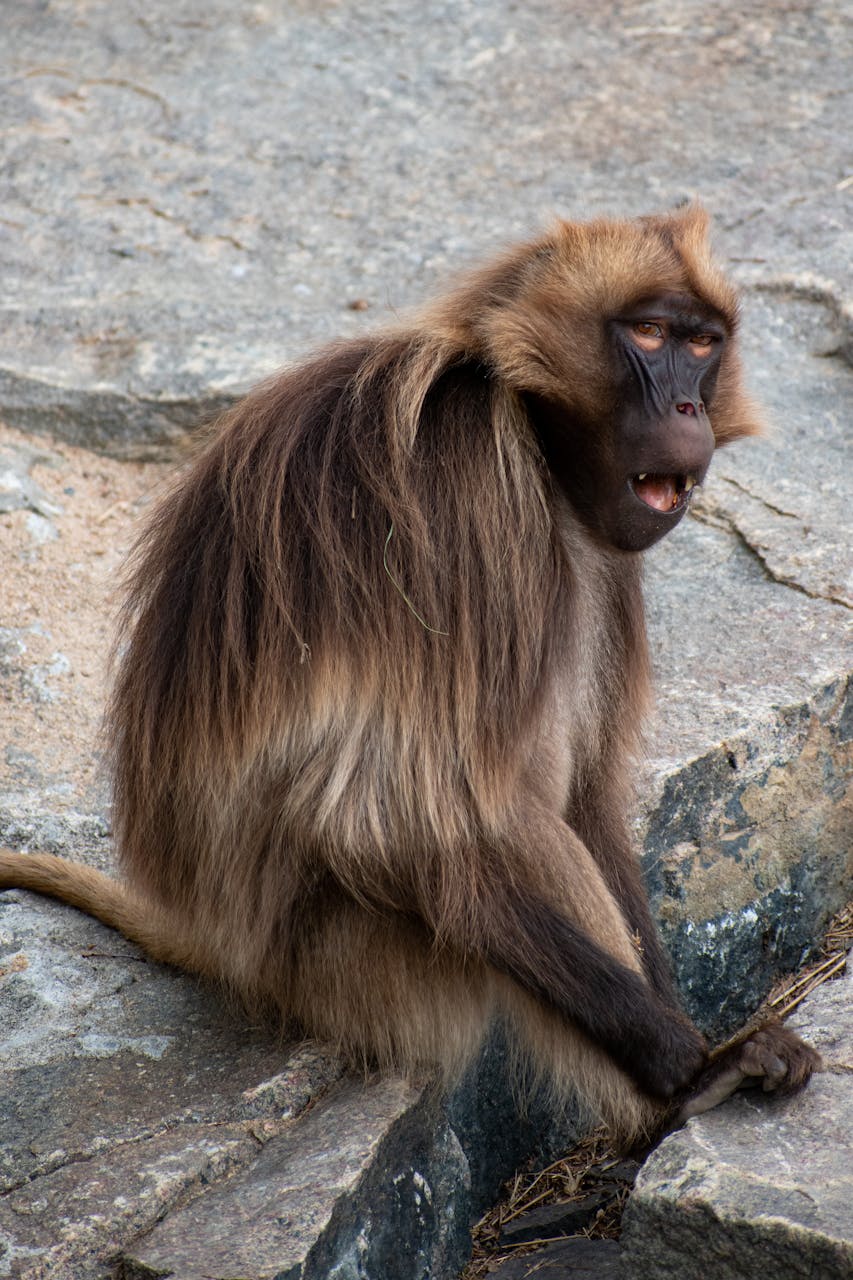
October to February delivers clear panoramas, dry trails, and easier gelada monkey sightings (they come lower in the dry season). September is also excellent — the landscape is vividly green post-rains and trekker numbers are lower. Avoid July and August when rain makes higher trails muddy and fog limits views.
Omo Valley
The Omo Valley is more accessible year-round than northern Ethiopia, but September to December is optimal. The Hamer bull-jumping ceremonies and Karo tribal dances are most active in September and October following the harvest. The region gets very hot March–May.
Addis Ababa
As a city, Addis can be visited any time. Elevations of 2,400m keep temperatures moderate (15–25°C) year-round. The city is particularly vibrant during the Timkat (Epiphany, January 19) and Meskel (September 27) festivals, when streets fill with processions.
Bale Mountains
Surprisingly, the Bale Mountains can be excellent during the rains (June–September) — the highland plateau stays cooler, wildlife including Ethiopian wolves are easy to spot, and wildflowers are at their peak. The dry season is still perfectly good for trekking here.
Major Festivals to Plan Around
Ethiopia's Orthodox Christian calendar follows ancient Coptic traditions, creating a calendar of festivals unlike anywhere else in the world. Timing your visit around these events can be the highlight of any trip.
Mass pilgrimages to Lalibela. White-robed worshippers fill the churches for all-night ceremonies. One of Africa's most extraordinary religious spectacles.
The most colourful festival in Ethiopia. Priests carry the Tabot (Ark of the Covenant replica) through the streets in elaborate processions. Gondar and Addis Ababa celebrate magnificently.
A massive bonfire (Demera) is lit in Meskel Square, Addis Ababa, watched by hundreds of thousands. One of the world's oldest continuously celebrated Christian festivals (1,600 years).
Post-harvest coming-of-age ceremonies among the Hamer people of the Omo Valley. The exact dates depend on each village — your guide can arrange to be present.
A major celebration following a 55-day fast. Services in Lalibela and Axum are particularly moving. Dates shift each year according to the Ethiopian calendar.
Weather by Region
Ethiopia spans multiple climate zones. The highlands (Addis Ababa, Lalibela, Simien Mountains) are cooler and more temperate, while the lowlands (Danakil, Afar, parts of the Omo Valley) are hot and arid year-round.
Addis Ababa (2,400m): 15–25°C year-round. Rains June–September.
Lalibela (2,630m): 10–25°C. Cool nights even in summer. Best Oct–Feb.
Simien Mountains (3,000–4,500m): 5–20°C. Can freeze at altitude Oct–Feb nights.
Danakil Depression (−125m): 35–50°C year-round. Extreme Oct–Feb.
Omo Valley (500m): 25–38°C. Hot and humid Mar–May.
Our Verdict
For first-time visitors, October to January is the sweet spot. You get reliable dry weather, open roads, comfortable temperatures in the highlands, and the extraordinary spectacle of Ethiopian Christmas in Lalibela if you time it right. Flights and accommodation book out months in advance for the December–January period, so plan early.
September is the insider choice — the rains have just ended, the countryside is lush and green, the Meskel festival is one of the most moving experiences in Ethiopia, and crowds haven't yet arrived for high season. Prices are also 15–25% lower than peak.